
White-Hat Platform Vault vs PBNs: Why Private Blog Networks Are Dead in 2026
PBNs are obsolete in 2026 because Google SpamBrain uses deep neural network footprint analysis to detect shared IP subnets, registration whois clusters, and artificial linking patterns. White-hat platform vault links on verified DA 80+ web properties (GitHub, Medium, Google Sites) pass genuine domain authority with 0% risk of manual action.
⚡ Key Takeaways at a Glance
- PBN networks cost $2,400+/year in hosting and expired domain maintenance with a 90% chance of eventual de-indexing.
- Google SpamBrain analyzes inter-site linking graph topology to identify reciprocal and circular link schemes.
- Curated platform vault links leverage existing multi-billion-dollar authority domains with permanent penalty immunity.
For over a decade, Private Blog Networks (PBNs) were the secret weapon of aggressive black-hat SEOs. By buying expired domains with existing authority and placing contextual links to client sites, webmasters could manipulate PageRank at will. In 2026, the economics and algorithmic realities of PBNs have completely collapsed.
1. How Google SpamBrain Detects PBN Footprints
SpamBrain does not just check IP addresses or Cloudflare nameservers. It analyzes historical content topic shifts (e.g. an expired medical clinic domain suddenly publishing articles about online gambling), outbound link velocity spikes, and the absence of real user engagement signals. In the past, SEOs could simply block Ahrefs and Majestic bots via robots.txt to hide their networks, but SpamBrain utilizes Google’s Chrome user data to determine if real humans are actually visiting the site. If a domain has a DR of 45 but registers zero Chrome user-agent traffic and abruptly starts injecting exact match anchors into new posts, SpamBrain immediately classifies the domain as artificial. Once flagged, the link equity passed from that domain is neutralized to zero. In severe cases, the target money site receives a manual action penalty, effectively erasing years of SEO progress overnight.
2. The Financial & Operational Cost of PBNs
Maintaining a modest 20-domain PBN requires 20 domain renewals ($300/yr), 5 diversified hosting providers ($600/yr), continuous content writing ($1,500/yr), and weekly WordPress security patching. When Google de-indexes the network during a Core Update, 100% of that capital and equity vanishes overnight. Beyond the hard financial costs, the operational overhead of managing IP subnets, mitigating brute force hacking attempts, and orchestrating plausible social media profiles for fake authors is astronomical. Modern SEO requires agility. Diverting your budget away from your core product to manage a fragile network of low-quality WordPress sites is a losing business strategy in 2026. The ROI is simply negative when compared to utilizing established, free, high-trust platforms.
3. PBNs vs Platform Vault Cost & ROI Comparison
Building a modest 20-site PBN costs $2,400/year in hosting and domain fees plus dozens of maintenance hours. In contrast, leveraging RankRoot’s curated platform vault provides access to DR 80–100 domains at $0 platform cost with 100% penalty immunity. Platforms like Medium, Substack, GitHub, and Google Sites already possess the structural trust that PBNs attempt to fake. Because they host millions of genuine users, Google grants them an algorithmic free pass. An article published on Medium with a DR of 96 will almost always outrank and out-pass authority compared to an article published on an expired PBN domain with a decaying DR of 22.
| Metric / Feature | Private Blog Networks (PBNs) | RankRoot Platform Vault |
|---|---|---|
| Annual Operating Cost | $2,400 – $5,000 / year | $19 – $49 / month ($0 platform fee) |
| Domain Authority (DR) | DR 15 – 35 (Decaying) | DR 70 – 100 (Google, Medium, GitHub) |
| Penalty Risk | 🔴 Extreme (SpamBrain De-indexing) | 🟢 0% (100% Google Penalty Immune) |
| Setup Time | 30–40 Hours of Server Setup | Instant (10-Min Daily Focus Mission) |
| Long-Term Equity | Zero (Temporary until caught) | Permanent Evergreen Authority |
4. When and How to Disavow Old Toxic PBN Links
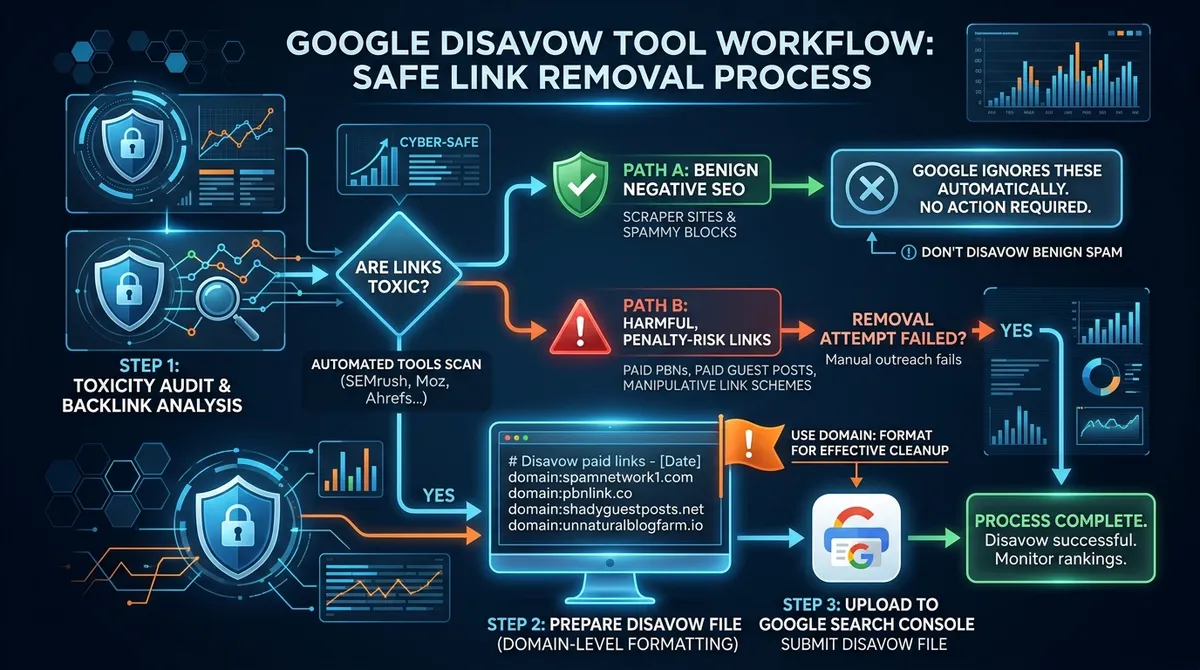
If your site was previously subjected to cheap automated link blasts or decaying PBN networks, format a domain-level disavow file using our Free Disavow Tool (/tools/disavow-generator) and submit it to Google Search Console to cleanse your link graph. A proactive disavow signals to Google that you are actively monitoring and rejecting spam. However, you should only disavow domains that exhibit explicitly toxic traits: exact match foreign language anchors, automated blog comment spam, or clearly de-indexed PBNs. Disavowing harmless low-quality links can accidentally remove legitimate equity. Once you submit the file via GSC, Google’s algorithms will typically recrawl and neutralize the toxic links within 2 to 4 weeks, freeing your domain from algorithmic suppression.
Frequently Asked Questions (FAQ)
Are Web 2.0 links considered PBNs by Google?
No. Web 2.0 properties (such as Medium, Blogger, Substack, GitHub) are legitimate, globally recognized publishing platforms used by millions of real writers. They carry zero PBN footprint.
Can Google penalize my site if a competitor points toxic PBN links at me?
No. Google’s algorithms are designed to ignore negative SEO link spam automatically. Only manual paid link building done on your behalf carries penalty risks.

Founder and Lead SEO Architect at RankRoot. 10+ years scaling organic visibility, authority entity engineering, and penalty-immune backlink roadmaps.
Ready to Automate Your 90-Day Ranking Blueprint?
Execute your 10-minute focus mission each day. Generate safe AI anchor text, monitor 404 dead links, and climb into the Top 3.